

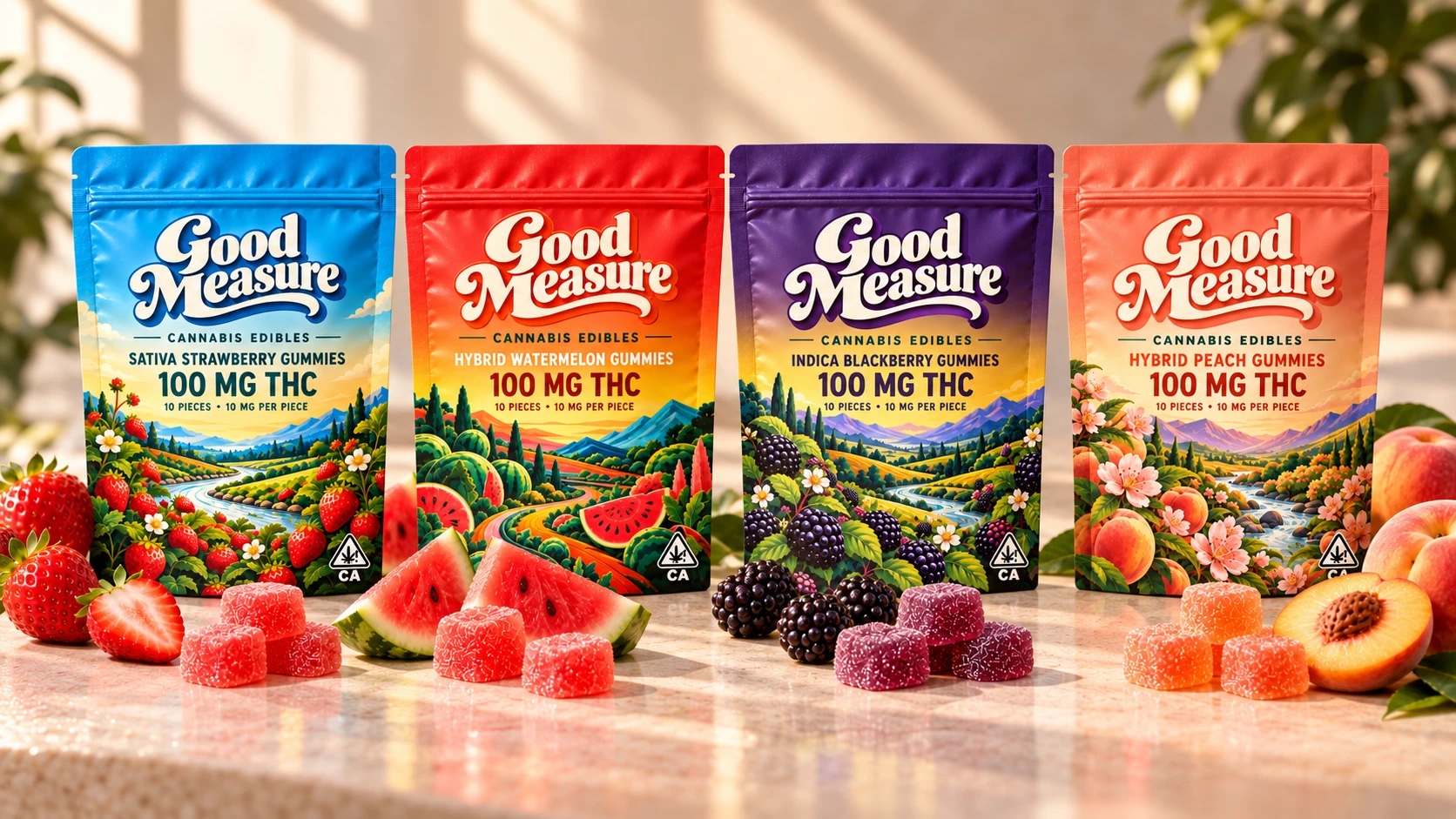
Many of the best food brands start small and close to home: a stall at a farmers market, a few local shops, a neighbourhood that knows the product by heart. At some point the question comes up. Could we sell this everywhere?
Online, you can. But selling to strangers hundreds of miles away is a different job from selling to people who already know your face. Here is what changes, and what to get right first.
Decide what “national” means for you
There are several routes, and they suit different products and businesses:
- Direct to consumer: selling from your own website and shipping orders yourself or through a fulfilment partner.
- Marketplaces: selling through large online retailers, which bring traffic but take a share and set many of the rules.
- Wholesale: getting into shops in other regions, online or on the shelf.
Most brands end up with a mix. Start with the one that fits your product, margins and capacity, and add others as you learn.
Make sure the product can travel
A jar that does fine on a local shelf has to survive parcel delivery. Think about shelf life, temperature, breakage and weight. Work out the real cost of shipping and packaging an order, because a product that sells well locally can lose money once delivery is added. Packaging for parcels is its own design job: protective, efficient and still a pleasure to open.
Your website becomes the shop
Locally, people meet your brand in person. Nationally, most will meet it first on your website, so it has to do the work you used to do in conversation:
- Explain clearly what the product is and why it is good.
- Show it properly, with photography that makes it look as good as it tastes.
- Make ingredients, sizes, shelf life and delivery details easy to find.
- Make buying simple, especially on a phone.
Keep the local story, widen the appeal
Your roots are an asset. “Made in Chicago” or “small batch, since our first market stall” gives a brand character and credibility that big competitors cannot copy. The task is to present that story as something anyone can connect with, not as an in-joke for people who already know you.
Get found by people who have never heard of you
New customers will not search for your name. They search for the problem, the occasion or the category: a gift for a cook, a dairy-free dessert, a hot sauce that is not just heat. Content helps here, such as recipes, serving ideas and guides that answer real questions. So do press coverage in national titles, creators who genuinely like the product, and being findable on the marketplaces where people shop.
Capture every first order
The first order from someone new is the hardest one to win. Make sure it is not the last. Collect email addresses with permission, follow up with something useful, such as how to use the product or a recipe, and make reordering easy.
Sort out the operations early
Growth exposes weak spots. Decide whether you will pack orders yourself or use a fulfilment partner. Check your labelling meets the rules for selling across state lines, and take advice on sales tax, because obligations can arise in states where you sell even without a physical presence. An accountant and, where needed, a food regulatory specialist are worth paying for before problems appear, not after.
Do not forget home
Your local customers are your best advocates. They write the reviews new customers read, recommend you to friends who live elsewhere, and keep the business steady while the national side grows. Keep looking after them.
An example
On the website we designed for Zia Nina, recipes and a where-to-buy page sit alongside the range. Someone who has never seen the jar on a shelf gets a reason to try it and a way to find it, which is most of what a brand needs from strangers.
If you are getting ready to take your brand further, let’s talk.