

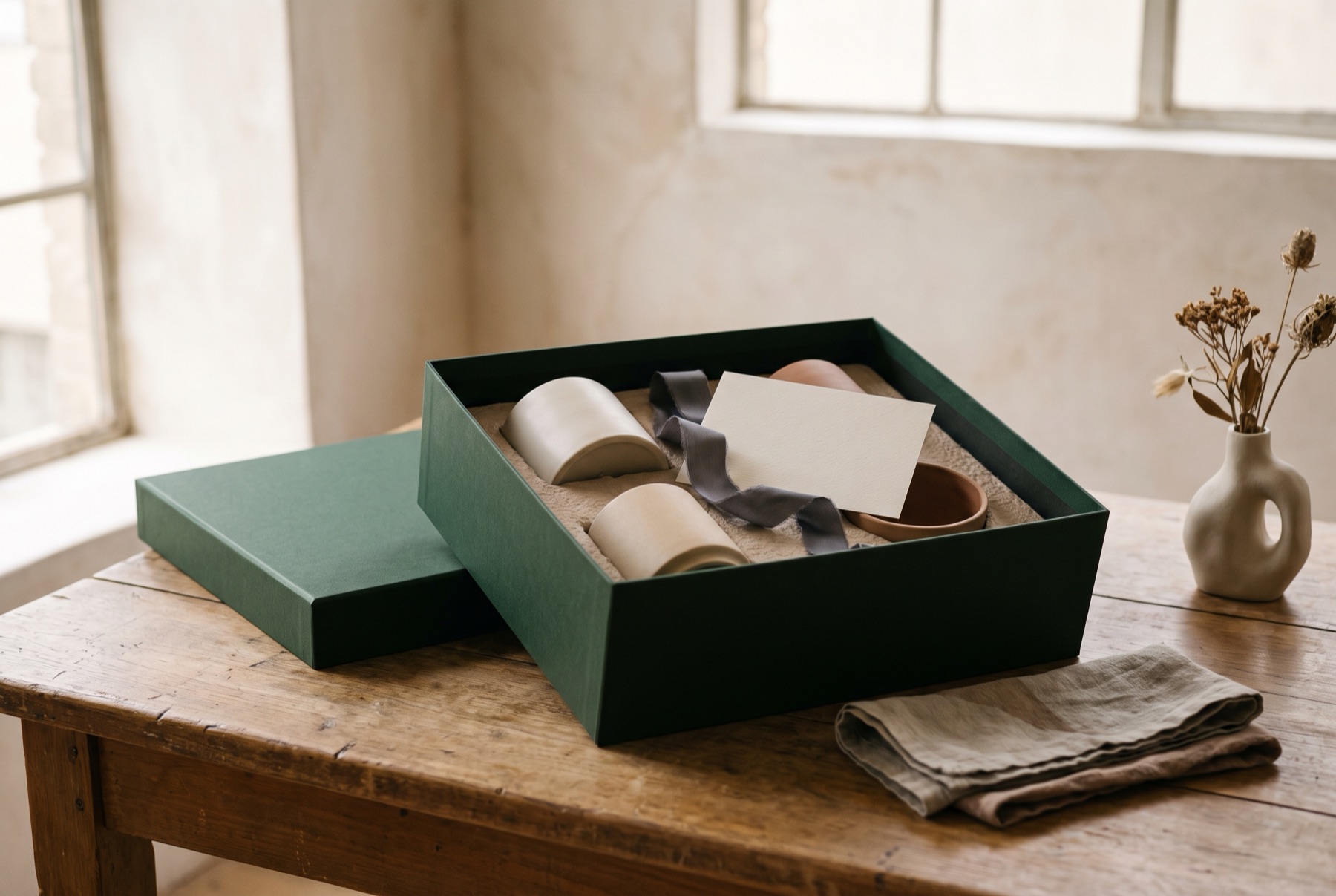
A PR box — a curated package sent to editors, creators, buyers or partners — is one of the few marketing tools that puts your actual product in someone’s hands. Done well, it gets opened on camera, mentioned in a round-up, or remembered when a buyer is deciding what to stock. Done badly, it is an expensive way to add to someone’s recycling.
When a PR box makes sense
PR boxes earn their cost in a few specific moments:
- A launch. You need people to try the product, and you need them to do it in a short window.
- A new line or flavour. Existing fans and press have a reason to talk about you again.
- Retail expansion. Sending a box to a buyer ahead of a meeting means they have handled the product before you pitch it.
- A rebrand. The new packaging is the story, and the box shows it off.
If none of these apply, a box is rarely the best use of budget.
Start with the list, not the box
The most common mistake is designing a beautiful box and then working out who to send it to. Do it the other way round.
- Build a short, specific list. Twenty well-chosen recipients beat two hundred random ones. Look for people who already cover your category and whose audience matches your customer.
- Check they want things. Many editors and creators publish how they prefer to be contacted. Ask before sending, and respect a no.
- Confirm addresses. A surprising number of boxes go to old offices.
What goes in it
The product is the hero. Everything else supports it.
- The product itself, ideally the full range or the full-size version — not a sample sachet.
- A short note. Personal if possible. One paragraph on what this is and why you thought of them.
- A one-page fact sheet. Price, where to buy, key claims, a contact, and a link to downloadable images.
- One thoughtful extra that relates to how the product is used. A glass for a drink, a tool for a skincare routine. Not branded clutter.
Leave out anything you would not keep yourself.
Designing the box
The box is the first impression, and for creators it is literally the content. A few principles:
- Make the opening a sequence. Outer box, then a reveal, then the product. Tissue, a belly band or an inner tray all help the moment land.
- Keep the outside quiet. Logo-heavy outer boxes invite theft in transit and say less than you think. Save the impact for the inside.
- Reuse your brand system. The box should look like it belongs to the packaging, not like a separate campaign.
- Think about the camera. Overhead shots dominate unboxing content. Design what is seen from above.
- Respect the budget. Custom rigid boxes are lovely and expensive. A well-printed mailer box with a considered interior often performs just as well.
The Lock and Loaded range is a good example of packaging that already does half of a PR box’s work: matte black containers and bold type that look deliberate as a set. Put that range in a simple black mailer with a clean interior and the product carries the moment on its own.
Follow up, then measure
Send a short follow-up a week after delivery — not to demand coverage, but to offer more information or images. Track what happens: mentions, posts, traffic from links, conversations with buyers. Over a couple of launches you will learn which recipients actually move the needle, and the list gets shorter and better each time.
The short version
Send fewer boxes to better-chosen people. Make the product the hero. Design the opening, not just the outside. Follow up politely, and measure what comes back.
If you are planning a launch and want the box designed alongside the packaging, let’s talk.